

- Crimp is the standard for production harnesses: fast, repeatable and vibration-resistant.
- Solder suits PCBs and small batches but makes wire stiff at the joint.
- Screw, spring and lever clamps allow tool-free field wiring.
| Method | Strengths | Watch out for |
|---|---|---|
| Crimp | Fast, gas-tight, vibration-proof | Needs the right die and wire size |
| Solder | Low tooling cost, good for PCBs | Wicking, heat damage, slow |
| Screw / spring / lever clamp | Tool-free, reusable, field wiring | Torque and ferrules for fine strands |
| IDC | Terminates many wires in one press | Needs matching cable and insulation |
| Press-fit | Solderless PCB mounting | Requires exact hole tolerance |
Crimp
Crimp terminals and connector contacts form a cold weld with the strands. More on Wikipedia’s crimp page.
Screw, spring and lever
Terminal blocks and DIN-rail blocks dominate control cabinets. Use ferrules on fine-stranded wire.
IDC
IDC connectors terminate flat ribbon cable in seconds — ideal for internal board links.
Related: wire gauge and current ratings.
Examples from our connector contacts & mating pins range — see all 473 →

Zinc Alloy Die Casting Oval Connector Outer Shell with Integrated Locking Mechanism and Double Contact Chambers for High Reliability Electrical Connection
AC/DC · Male
US$1.19 – 3.59MOQ 1,000 pieces

Youngparts Screw Pogo Pins Rolling Pogo Pin Brass Pin Custom Factory Price High Quality
Brass · CE, RoHS, GS, ISO9001
US$0.012 – 7.20MOQ 100 pieces

Youngparts Pogo Pin 9.3 mm Connector Brass Single Pogo Pin
Brass · CE, RoHS, GS, ISO9001
US$0.012 – 7.20MOQ 100 pieces

with ISO9001 RoHS Reach Certified CNC Machined T2 Copper Electrical Contact Pin
T2/C1100 Copper · RoHS, ISO9001/RoHS/Reach
US$0.23 – 0.34MOQ 100 pieces
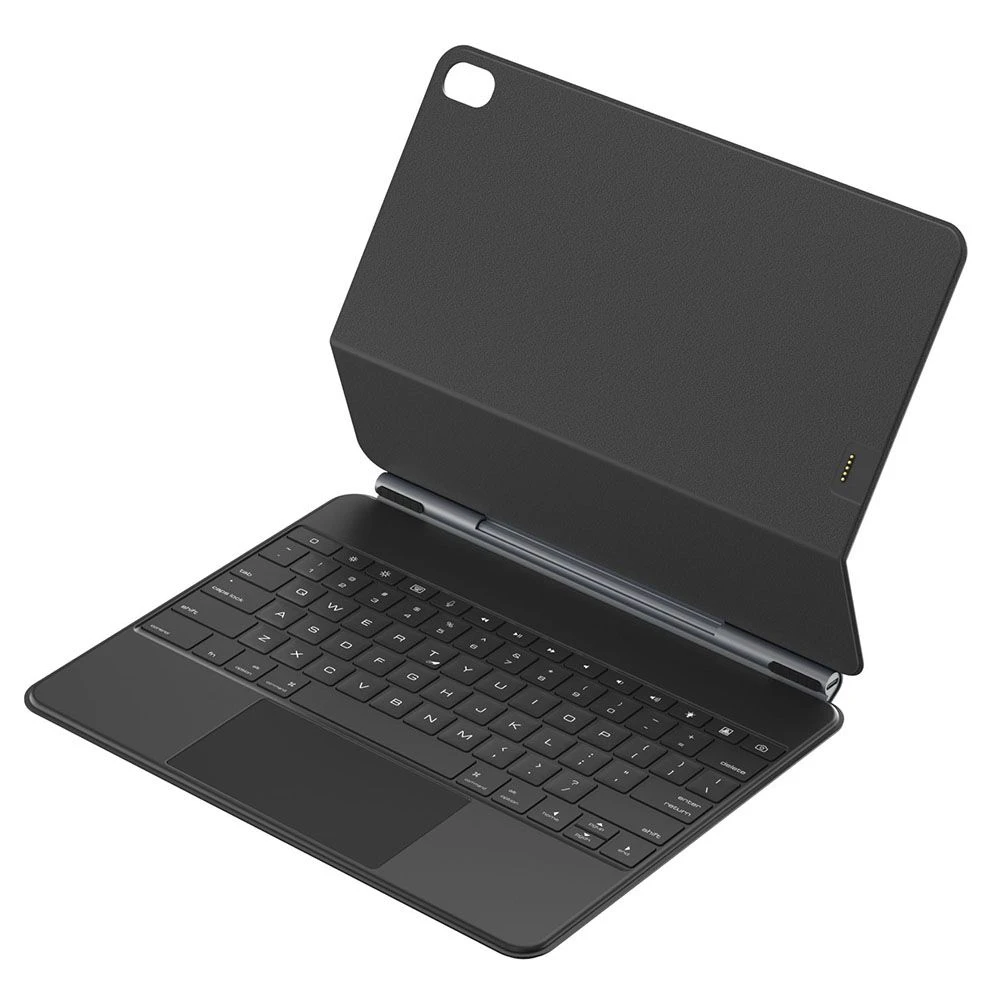
Wireless Magnetic Keyboard with Backlit and Pogo Pin (Smart Connector, without Bluetooth-Compatible) for iPad (2025) / 10.9 (2022)
Microfiber Leather, Plastic, PU Leather · RGB
US$49.56 – 53.20MOQ 2 pieces
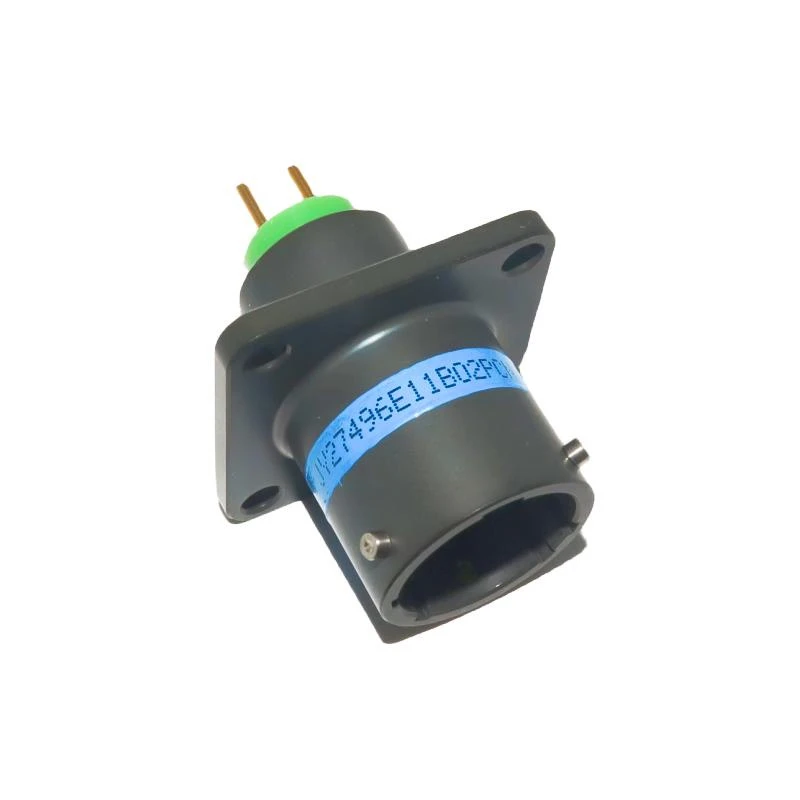
Wire Connector Multi Crimp Pin Normal Orientation Jy27496e25b29pn
Male · Low Frequency
Price on requestMOQ 10 pieces
Frequently asked questions
Is crimping more reliable than soldering?
For stranded wire under vibration, a correct crimp is usually more reliable because solder wicking creates a stiff point where strands can break.
Do I need special crimp tools?
Yes. Each terminal family has its own die profile; generic pliers give inconsistent crimps.
Find these products in our catalog
Connector Contacts & Mating Pins · Screw, Spring & Lever Terminal Blocks · Wire-to-Wire & IDC Connectors
Related articles

IP Ratings for Connectors Explained: IP65, IP67, IP68 and IP69K
What the two digits mean, whether the rating applies mated or unmated, and which waterproof connectors suit outdoor,…

Wire Gauge and Connector Current Ratings: AWG, mm² and Derating
How wire size, contact rating and temperature rise fit together — with an AWG to mm² table and…

Connector Types Explained: 13 Families and Where Each One Is Used
Terminal blocks, circular, power, RF coaxial, data, PCB, wire-to-board, automotive, fiber-optic and more — what each family does,…