| Customization | Available |
|---|
| Technics | Injection Molding |
|---|
| Standard | GB |
|---|
| Model NO. | JJC |
|---|
| Usage | Stripping-Free Cable Branching |
|---|
| Type | T-Connector |
|---|
| Product Name | Insulated Piercing Connector |
|---|
| Keywords | Insulation Piercing Connectors |
|---|
| Primary Function | Stripping-Free Cable Branching |
|---|
| Common Uses | Distribution Lines |
|---|
| Weight | Dependent on The Material and Size |
|---|
| Compatible Hardware | Compatible with Standard Insulators, Bolts |
|---|
| Certifications | ISO, CE |
|---|
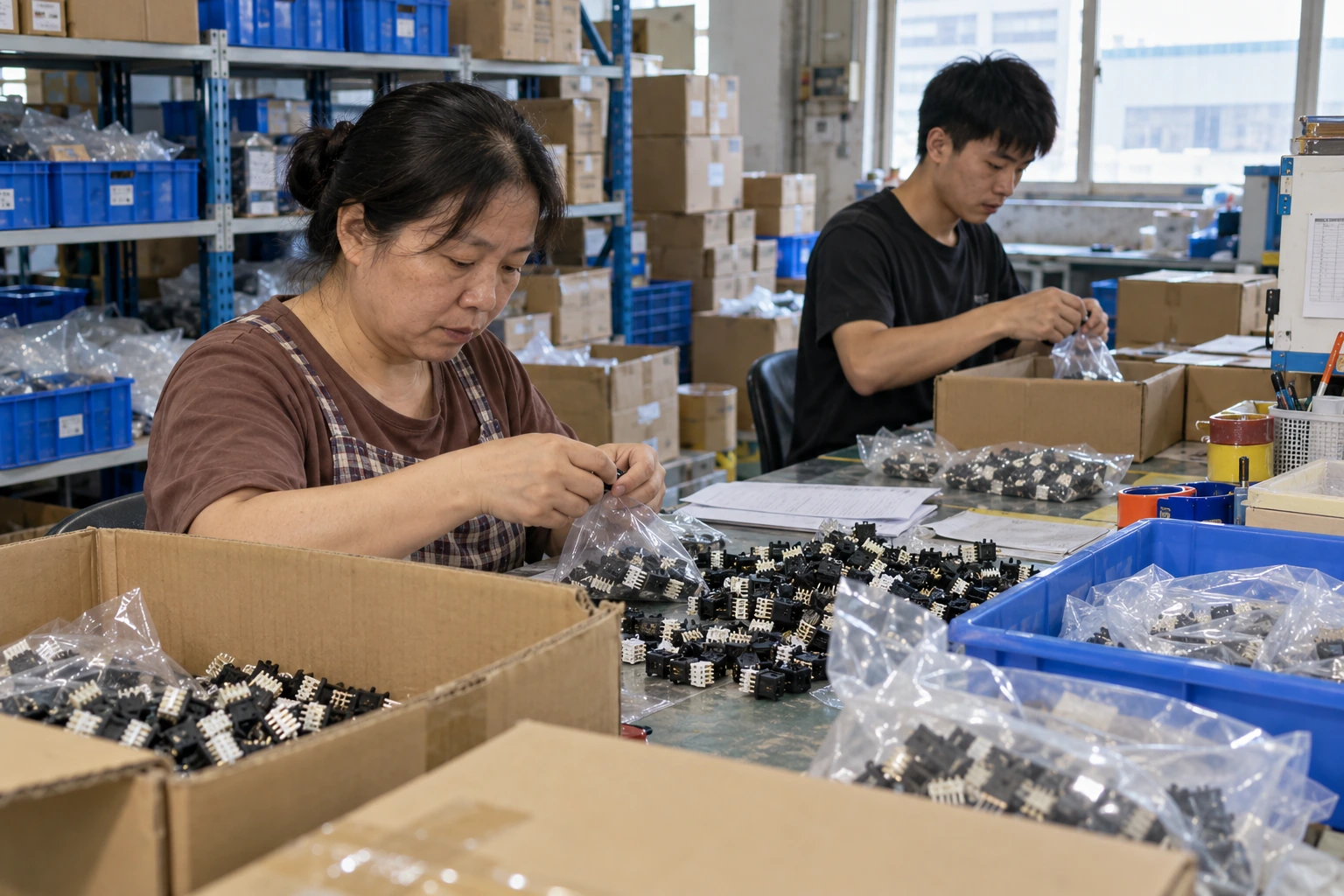
| Transport Package | Standard Packaging or Customized |
|---|
| Specification | Standard Specifications or Customized |
|---|
| Origin | Zhejiang, China |
|---|
| HS Code | 7326909000 |
|---|
| Production Capacity | 50000pieces/Year |
|---|
| Package Size | 105.00cm * 100.00cm * 100.00cm |
|---|
| Package Gross Weight | 32.000kg |
|---|
| Insulation Shell | Made of high-strength flame-retardant engineering plastic (e.g., polycarbonate), processed by injection molding to form a sealed structure with cable ports and a fastening cavity. It provides excellent electrical insulation, weather resistance (UV, rain, temperature fluctuation), and flame retardancy, adapting to long-term outdoor operation. |
|---|
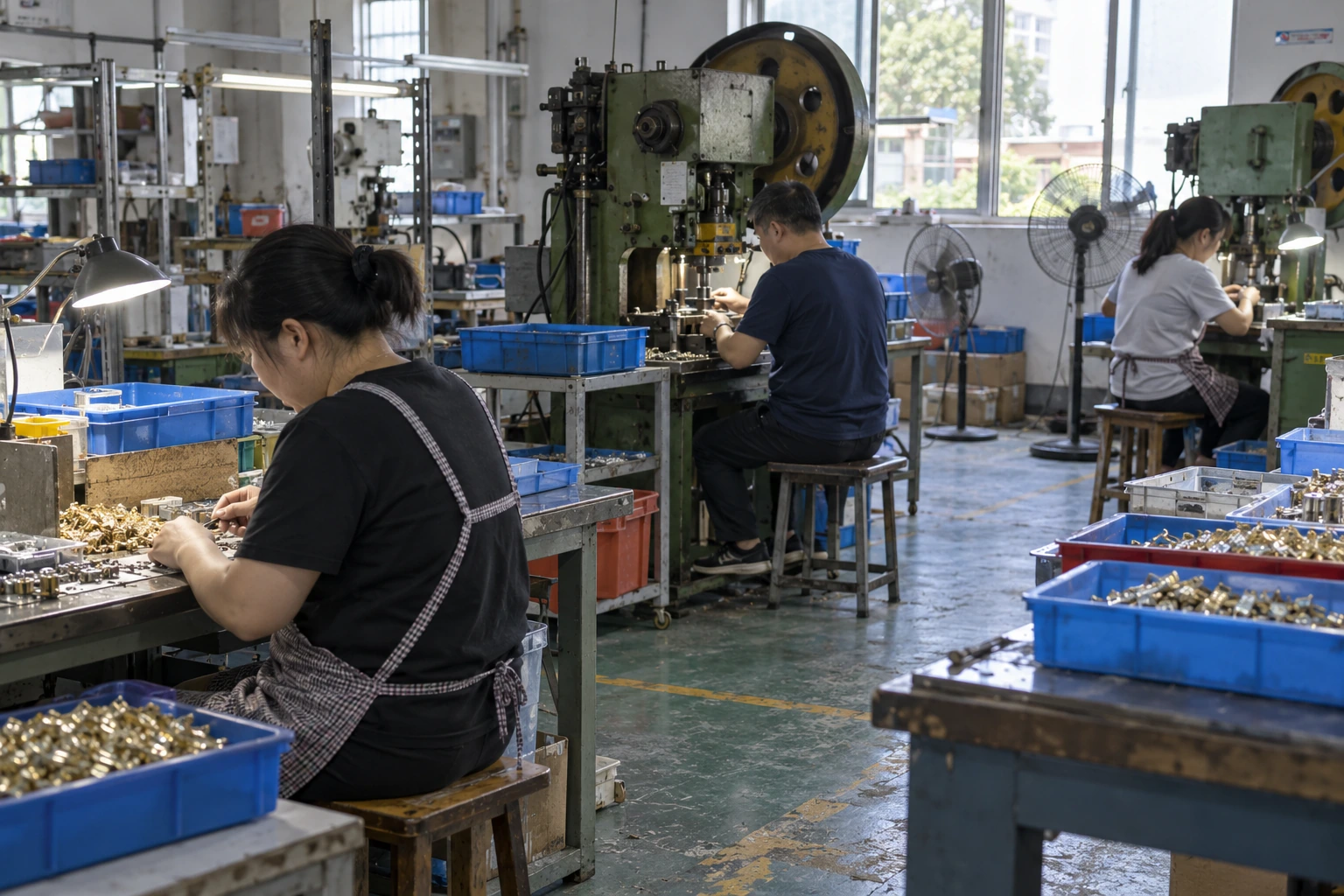
| Piercing Blades | Crafted from tin-phosphor bronze (or high-conductivity copper alloy), formed by stamping and quenching. The sharp blade design ensures reliable penetration of cable insulation layers, while the copper material guarantees low contact resistance and stable current transmission. |
|---|
| Fastening Assembly | Composed of stainless steel bolts and nuts, processed by threading and surface anti-rust treatment. Tightening the bolt drives the blade to pierce the cable, ensuring tight contact between the blade and the conductor, and preventing loosening under vibration. |
|---|
| Stripping-free cable branching | No need to strip the cable insulation layer; the electrical connection between the main cable and the branch cable is achieved through piercing blades that penetrate the insulation layer, while maintaining insulation performance; |
|---|
| Integration of conduction and insulation | The piercing structure ensures close contact between the metal blades and the cable conductor, guaranteeing low-resistance current transmission; the shell insulation material isolates live parts to avoid the risk of electric leakage; |
|---|
| Insulated Piercing Connection | Eliminates the need to strip cable insulation; the internal sharp blades pierce the insulation layer to form a stable electrical connection between the main cable and branch cable, while the outer insulation shell maintains overall electrical isolation. |
|---|
| Low-Resistance Current Transmission | The copper alloy piercing blades ensure tight contact with cable conductors, minimizing contact resistance and heat generation during power transmission, thus guaranteeing efficient current distribution. |
|---|
| Mechanical Fixing | The bolt-tightening structure secures the cable and connector firmly, resisting external forces (such as cable tension, vibration) to prevent connection loosening, and maintaining long-term structural stability. |
|---|
| Environmental Adaptation | The insulated shell provides protection against moisture, dust, UV radiation, and corrosion, enabling reliable operation in outdoor, underground, or humid environments. |
|---|
| Fastening Components | Stainless steel (304) bolts and nuts, processed by cold heading and threading. The surface is treated with passivation to enhance corrosion resistance, providing stable tightening torque for long-term use. |
|---|
| Category | Power-Line Connectors & Cable Joints |
|---|