
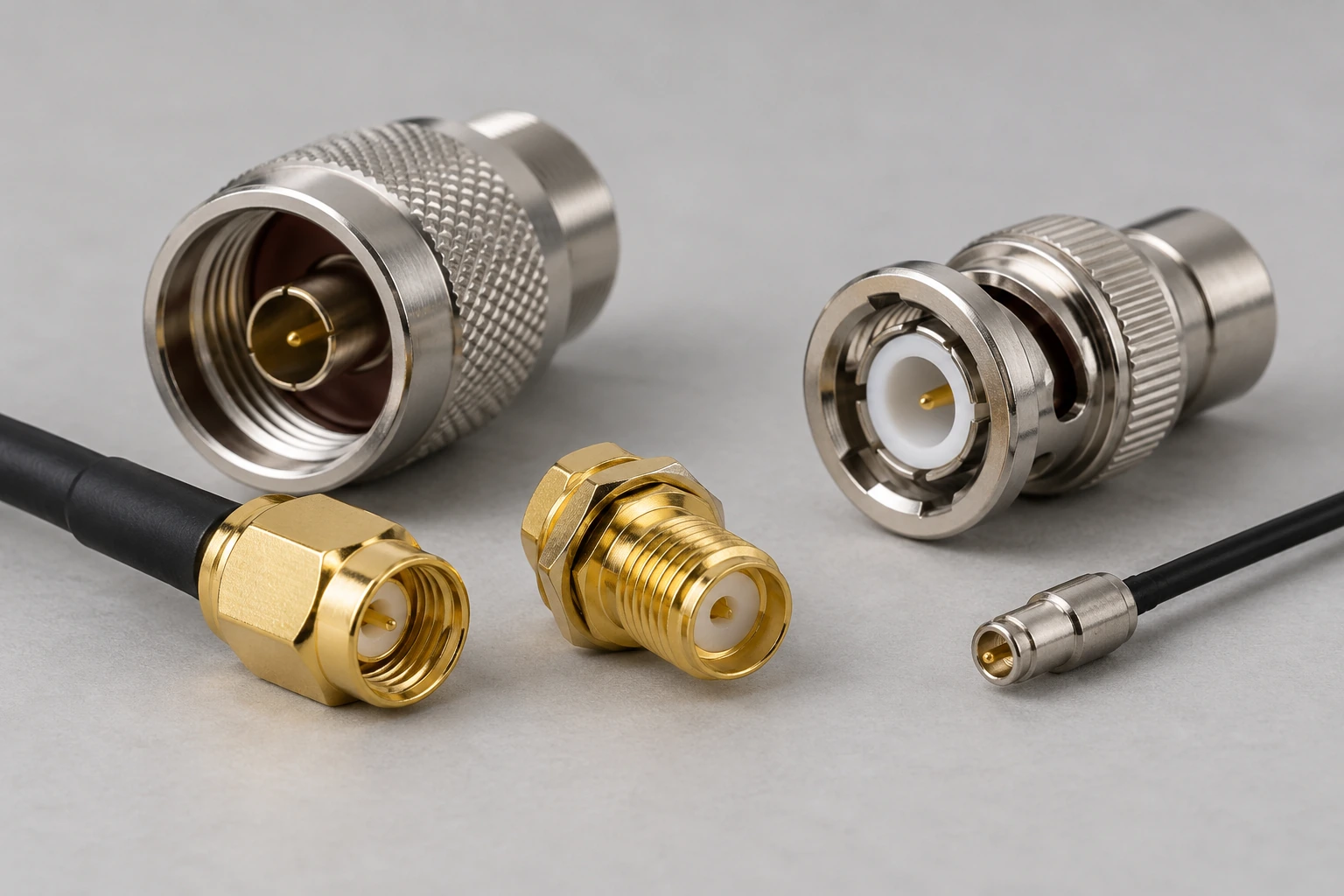
- Match impedance first: 50 Ω for RF and test, 75 Ω for video and CATV.
- Each series has a frequency ceiling — SMA to 18 GHz, N-type to 11 GHz, BNC to 4 GHz typically.
- RP (reverse polarity) versions do not mate with standard ones.
| Series | Coupling | Typical max frequency | Use |
|---|---|---|---|
| SMA / RP-SMA | Thread | 18 GHz | Antennas, modules, test |
| BNC | Bayonet | 4 GHz | CCTV, instruments |
| TNC | Thread | 11 GHz | Vibration-prone radio |
| N-type | Thread | 11 GHz | Base stations, outdoor |
| 4.3-10 / 7/16 DIN | Thread / push | 6 GHz | Cellular infrastructure, low PIM |
| MCX / MMCX / U.FL | Snap | 6 GHz | Compact devices, GPS |
| 2.92 / 2.4 mm | Thread | 40–50 GHz | Microwave test |
Adapters
Between-series adapters let you join different families, at the cost of some loss and VSWR. Keep them out of high-power or precision paths.
Background: coaxial connectors on Wikipedia. Browse SMA and miniature RF and microwave connectors.
Examples from our sma, smb, smc & miniature rf connectors range — see all 1,173 →
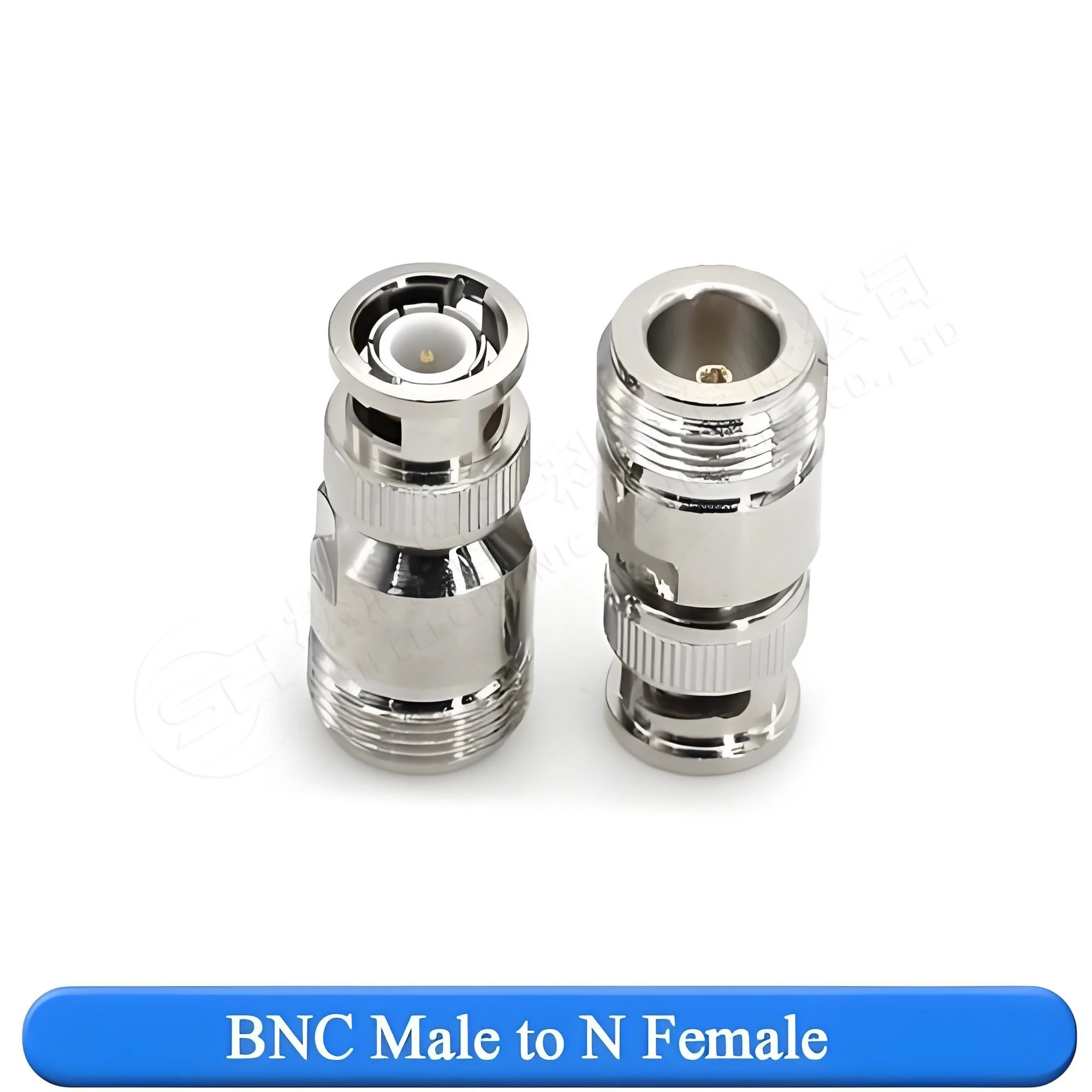
Yuv Certified Female SMB Audio Connector for Car Antenna Applications
Generally Coaxial Connector · BNC
US$0.36MOQ 100 pieces
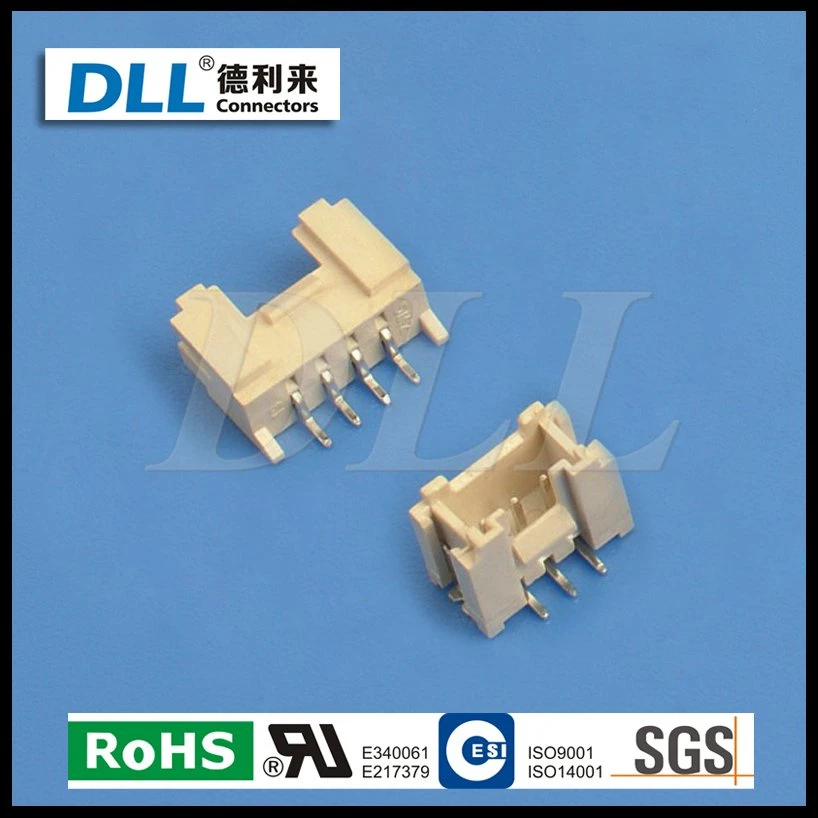
Yeonho 20037wr SMT SMA Connector Monitor Digital TV
Male,Female · Power, Automobile, RF, Audio & Video, PCB, Microwave, FP…
US$0.0001 – 0.024MOQ 1,000 pieces
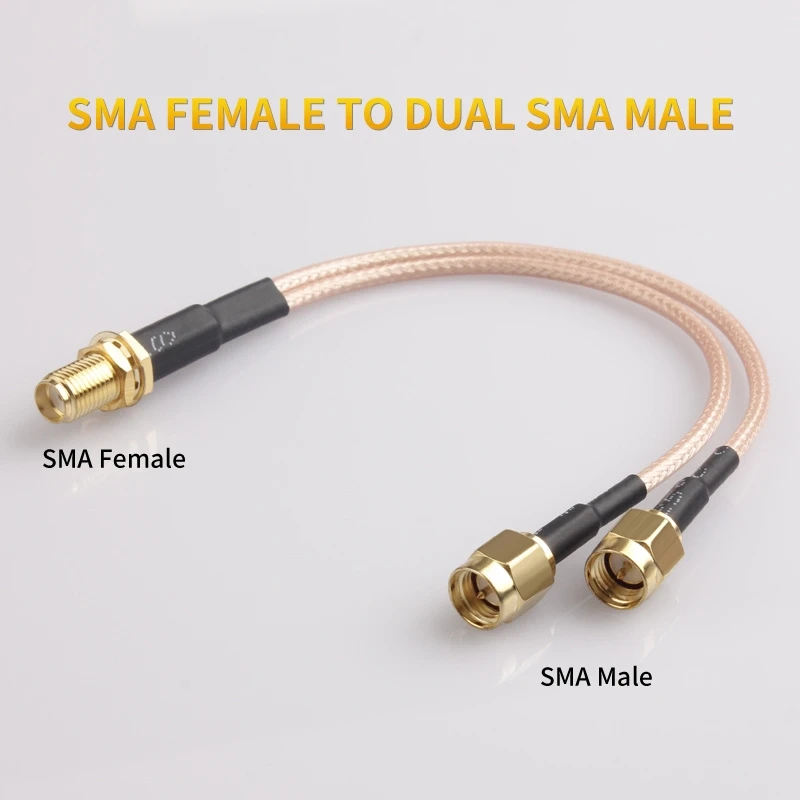
Y-Type Splitter SMA Male to Dual SMA Female Cable Adapter
Coaxial · Multimedia, DVD Player
US$2.40 – 2.64MOQ 10 pieces
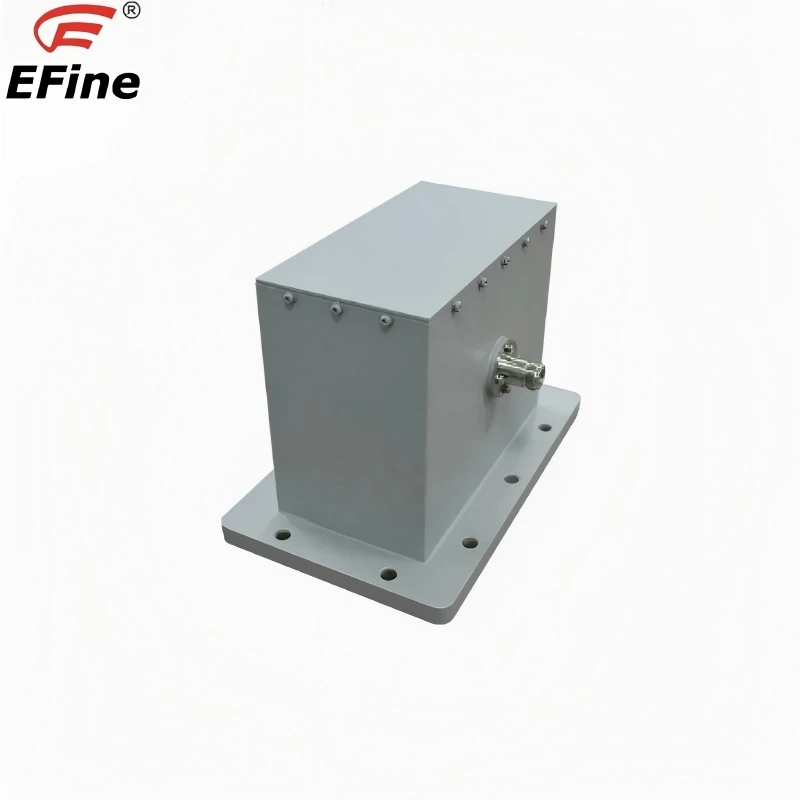
Wr650 Ef RF Waveguide to Coaxial Adapter with N SMA 7/16 Connector
Optical · SMA-Female
US$336.00 – 804.00MOQ 1 piece
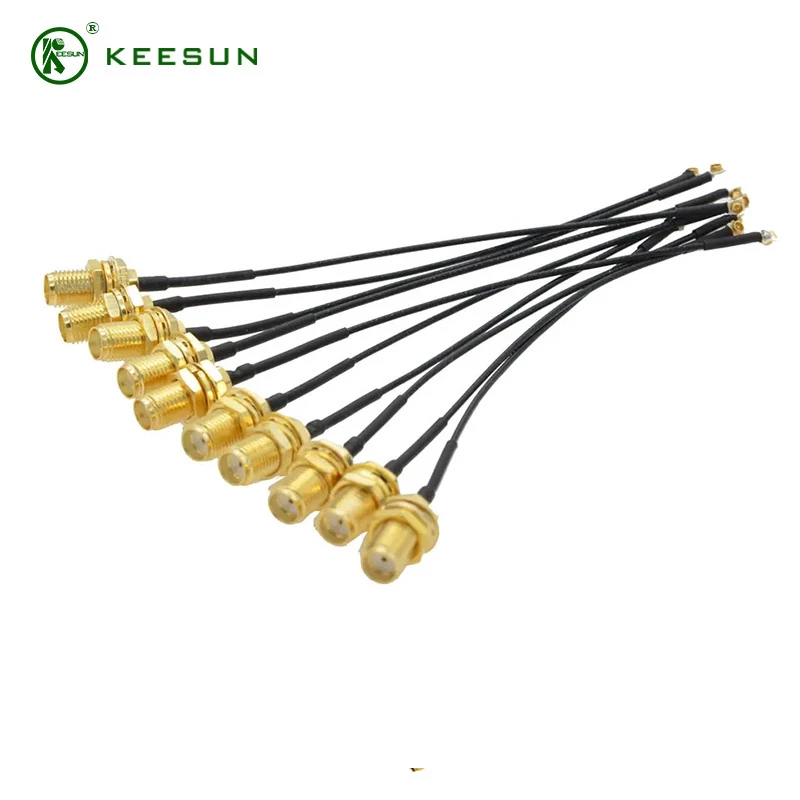
Wireless GSM Internal More Car Portable SMA Male Connector with 1.37gray Cable
Cat 5 · Gold Plated
US$0.84 – 1.32MOQ 500 pieces
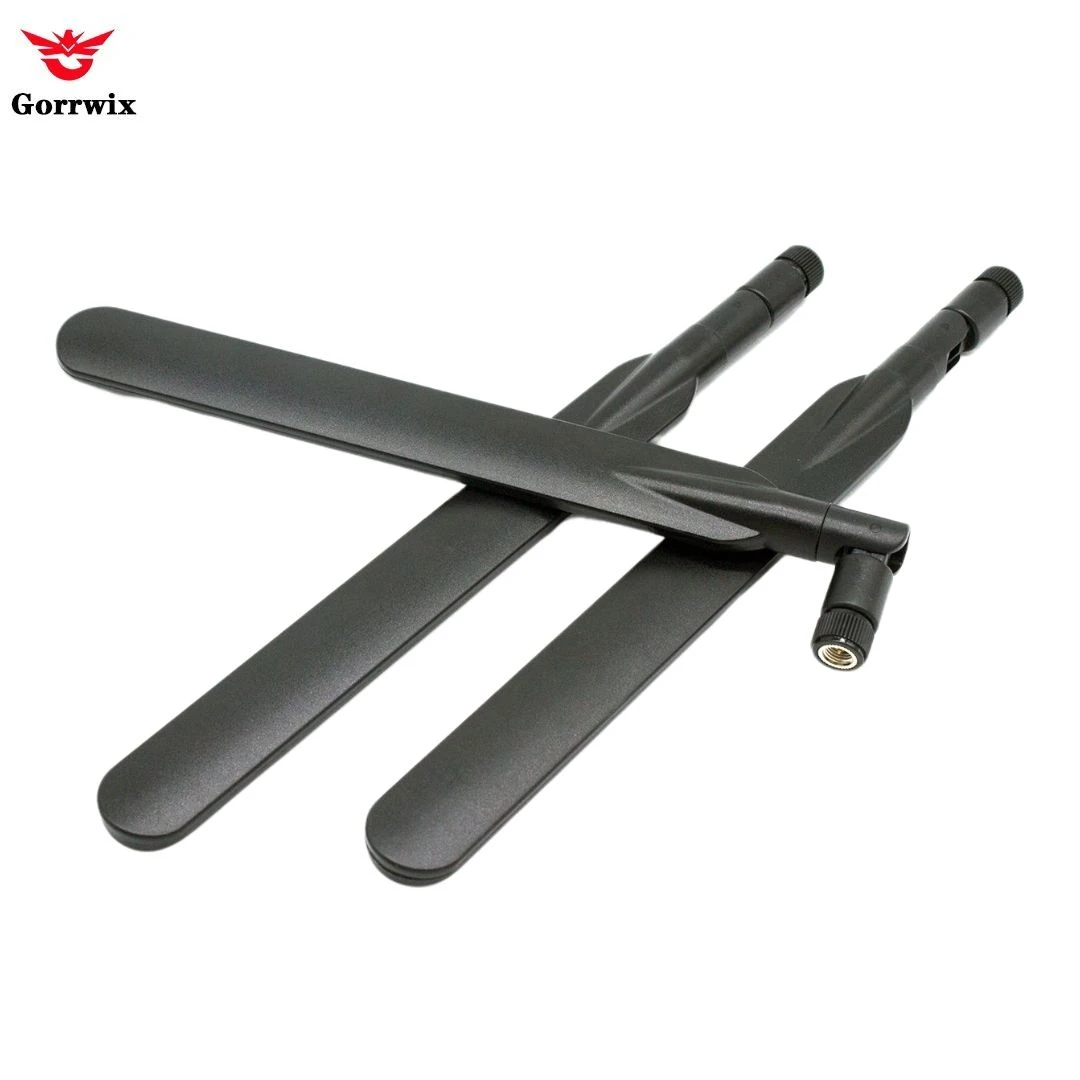
WiFi Antenna Omnidirectional Antenna 824-6920 & 1700-2700MHz, 2dBi/3dBi Gain SMA-J Connector
ABS · 2-3 dBi
US$0.30 – 0.60MOQ 100 pieces
Frequently asked questions
Can a 75 Ω BNC mate with a 50 Ω BNC?
Mechanically yes, but the impedance mismatch causes reflections at higher frequencies. Use the matching version.
What is RP-SMA?
Reverse-polarity SMA swaps the pin and socket while keeping the thread gender; it is common on Wi-Fi equipment.
Find these products in our catalog
SMA, SMB, SMC & Miniature RF Connectors · BNC, TNC, N-Type & RF Adapters · RF & Microwave Connectors
Related articles
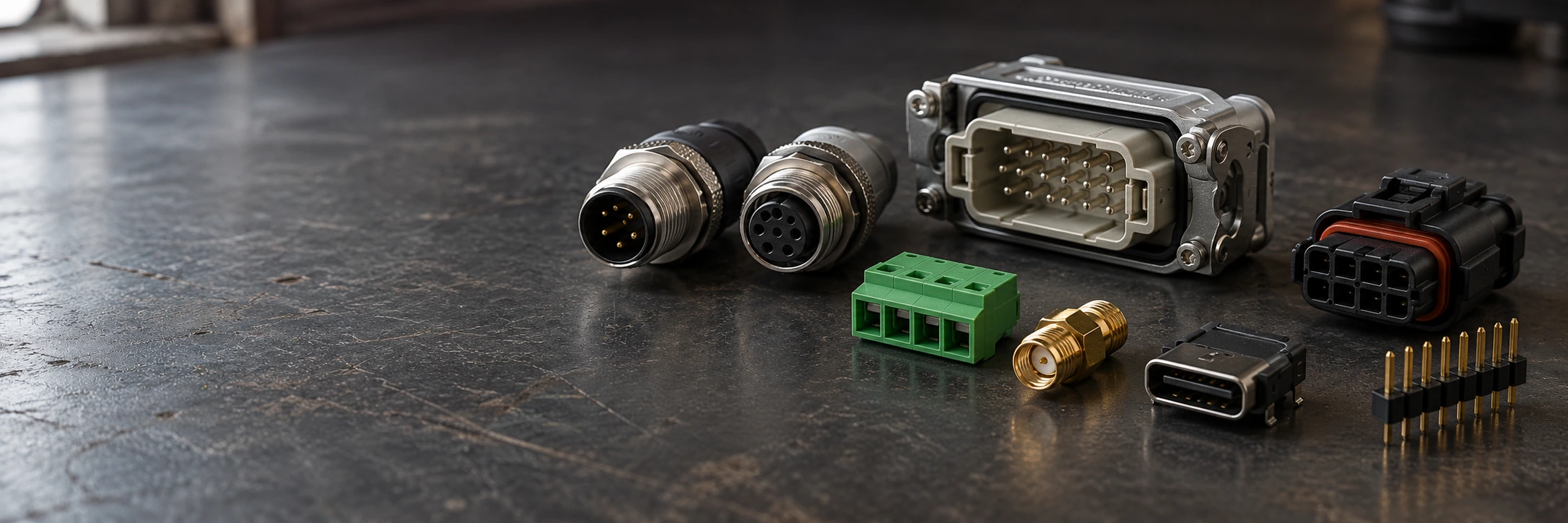
How to Choose an Electronic Connector: A Practical Buyer’s Guide
Current and voltage, pin count and pitch, termination, environment and mating parts — the decisions that narrow fifty…

Connector Plating: Gold vs Tin vs Silver vs Nickel
Why contact plating decides corrosion resistance, mating cycles and price — and the rule about never mixing gold…

Top 10 Connector Categories in Our Catalog, Ranked by Range
The ten connector categories with the most listings — with live price ranges and typical MOQ for each.