

- Gold: low-level signals, many mating cycles, corrosion-free.
- Tin: economical, good for power and few mating cycles.
- Do not mate gold with tin — fretting corrosion follows.
| Plating | Best for | Mating cycles | Cost |
|---|---|---|---|
| Gold over nickel | Signals, RF, data | High (500+) | High |
| Tin | Power, low-cost terminals | Low (≈10–50) | Low |
| Silver | High-current contacts | Medium | Medium |
| Nickel | Shells, underplate | — | Low |
Never mix gold and tin
Dissimilar platings on mating contacts cause fretting corrosion and rising resistance. Order both halves with the same finish.
Where plating shows up in our catalog
Look for “gold-flash”, “selective gold” or “tin” in the specification table of pin headers, contacts and RF connectors. Further reading: fretting on Wikipedia.
Examples from our pin headers, female headers & jumpers range — see all 1,767 →

ZWG ZH 1.5mm Pcb Connector JST Connector 1.5mm Pitch 2-15Pin Header Smd Refrigerator Electronics Connector
250V
US$0.012 – 0.12MOQ 1,000 pieces
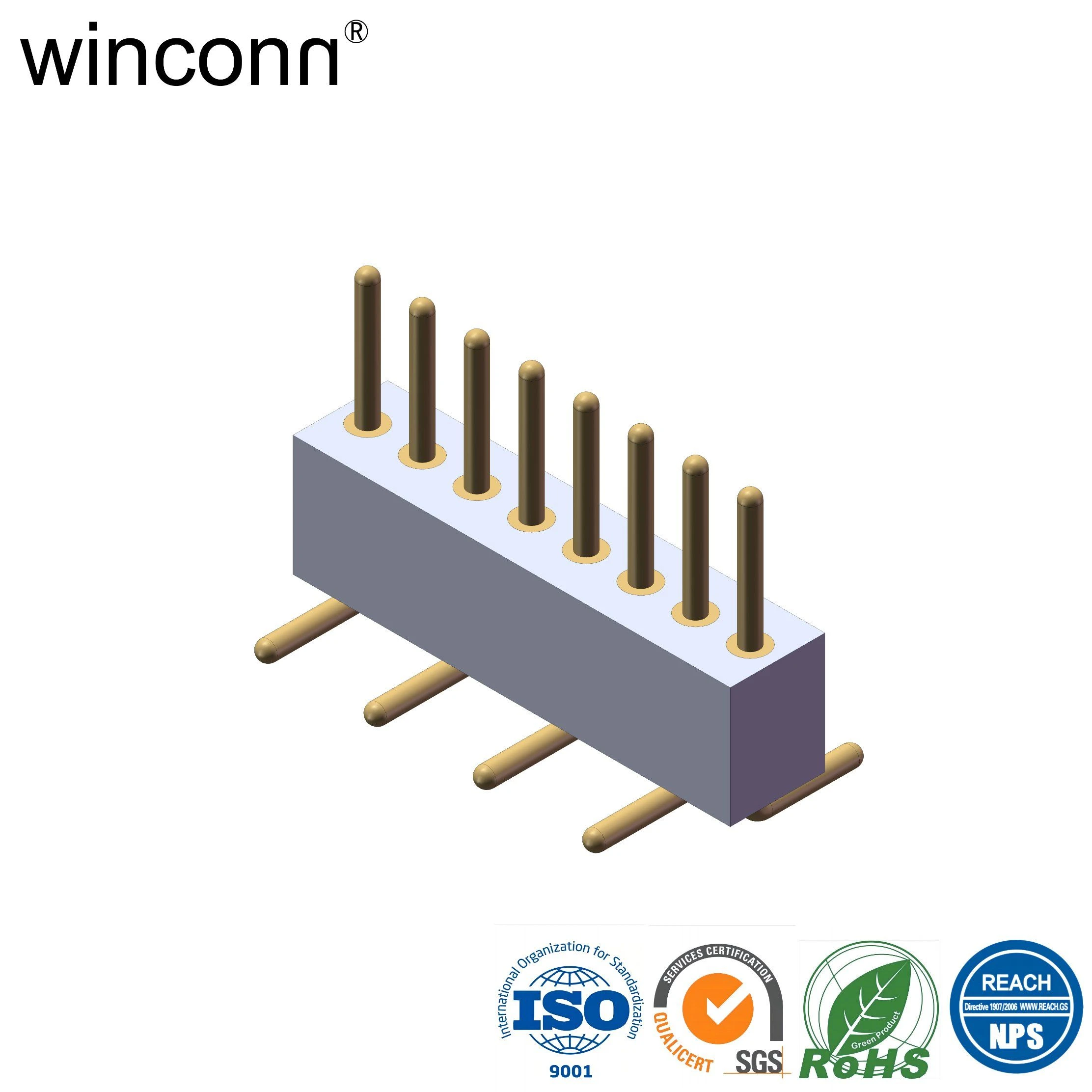
Zif IC Socket Single Row Straight SMT Round Female Header 28 Pin DIP IC Socket Connector
Pin Header · Male
US$0.012 – 0.96MOQ 5,000 pieces
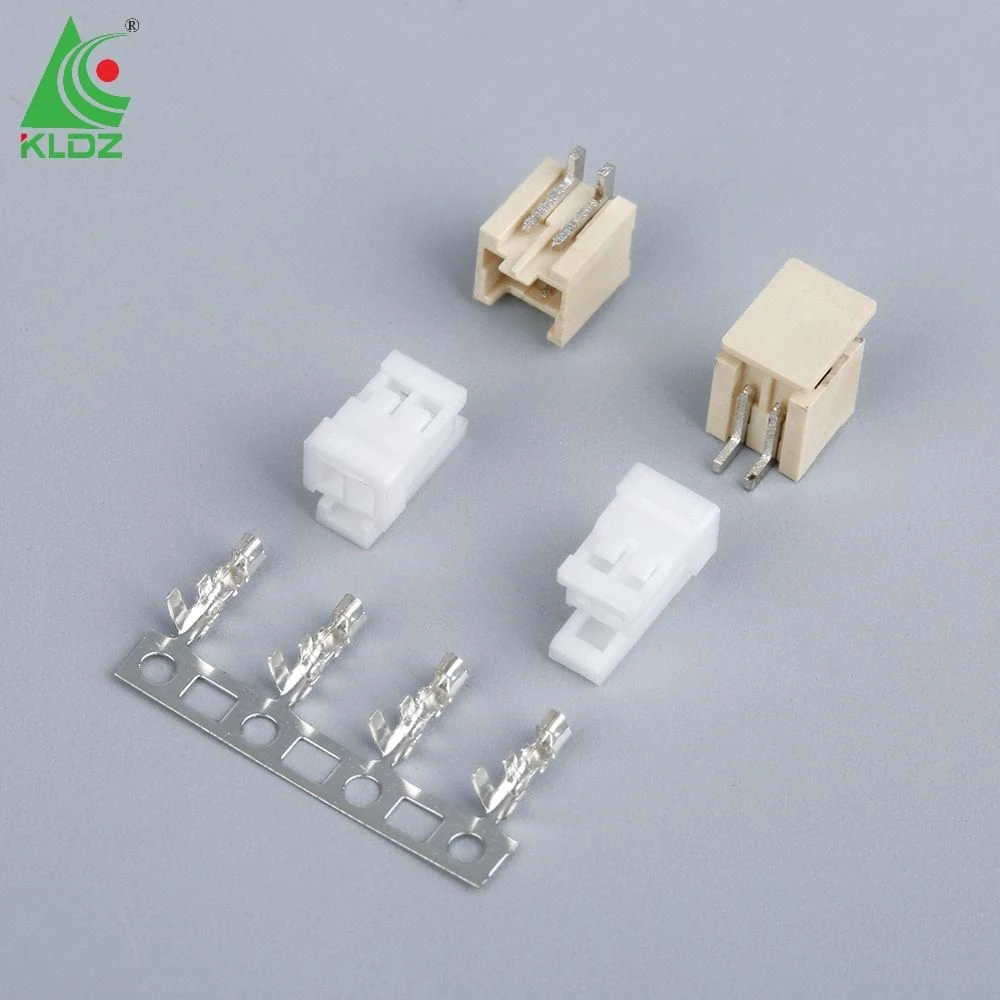
Zhg 1.5mm Pitch Connector Manufacturer, Wire to Board Crimp Terminal Housing Header, Custom Available, RoHS
AC/DC · Female
US$0.012 – 0.024MOQ 1,000 pieces

Ze05-2p-2h 2.0mm 2 Pin Header SMT Male Female Connector
HDR · Male Female
US$0.0012 – 0.012MOQ 1 piece

YZ 2.54mm Pitch 1*40pin 2*40pin Single Row Double Rows SMD Type Gold Plating Pin Header for Pcb Connector
Rectangle · 3A
US$0.072 – 0.34MOQ 10 pieces

Yugan Sheet Metal Processing Contact Spring Automobile Electric Pin Header Connectors
DC/DC · Female
US$0.24 – 1.44MOQ 1,000 pieces
Frequently asked questions
How thick should gold plating be?
Flash gold is fine for few cycles; 0.76 µm (30 µin) or more is common for high-reliability, high-cycle contacts.
Why is silver used on power contacts?
Silver has the lowest resistance and handles high current well; it tarnishes but the tarnish stays conductive.
Find these products in our catalog
Pin Headers, Female Headers & Jumpers · Connector Contacts & Mating Pins · SMA, SMB, SMC & Miniature RF Connectors
Related articles

Crimp vs Solder vs Screw vs IDC: Choosing a Termination Method
Reliability, speed, tooling cost and field serviceability of the four main ways to attach wire to a connector.

IP Ratings for Connectors Explained: IP65, IP67, IP68 and IP69K
What the two digits mean, whether the rating applies mated or unmated, and which waterproof connectors suit outdoor,…

Wire Gauge and Connector Current Ratings: AWG, mm² and Derating
How wire size, contact rating and temperature rise fit together — with an AWG to mm² table and…